3-16. Throughput Benchmarks & Selection Criteria for Logistics Equipment
When automating distribution centers, equipment selection requires accurately matching required cargo throughputs against material handling throughput benchmarks (cases or totes processed per hour)[cite: 21].
This article details throughput benchmarks and core engineering principles for automated equipment and AS/RS selection[cite: 21].
1. Major Logistics Equipment Throughput Benchmarks
Standard hourly throughput benchmarks for primary automated handling equipment include[cite: 21]:
| Equipment / System Type | Hourly Throughput Benchmark | Operational Features & Applications |
|---|---|---|
| Type-A Automated Pick Machine | ~1,200 Totes / Hour | High-speed automated picking and storage for small-piece, high-velocity items[cite: 21]. |
|
SAS Automated Sorting System (High-Speed Sequential Case Outbound) |
~600 Cases / Hour | Sequential case-level outbound retrieval; highly effective for complex batch sorting[cite: 21]. |
| Automated Sorters (Cross-Belt / Shoe) | 2,000 – 10,000 Cases / Hour | High-speed automated sorting by shipping destination or carrier route[cite: 21]. |
| High-Speed Merge / Divert Lines | 2,000 – 6,000 Cases / Hour | Consolidates multiple conveyor lines into a single stream or diverts high-speed flows[cite: 21]. |
|
Belt Conveyor Lines (Speed 20–70 m/min) |
1,800 – 3,600 Cases / Hour (Varies by carton pitch) |
Core facility transport line; throughput is governed by belt speed and carton spacing (pitch)[cite: 21]. |
2. Key Practical Considerations for Throughput Engineering
-
① Engineer for Peak Demand Spikes (Maximum Volumetric Waves)
Logistics operations experience severe daily and hourly volume spikes[cite: 21]. Facility capacity must be engineered around maximum peak-hour throughput requirements derived via EIQ analytics rather than daily averages[cite: 21].
-
② Prevent Line Bottlenecks Across the Handling Hierarchy
If an automated sorter processes 10,000 cases/hour but feeding conveyors or upstream systems (SAS) supply only 3,000 cases/hour, overall facility throughput collapses to 3,000 cases/hour[cite: 21]. Balanced upstream-downstream capacity is mandatory[cite: 21].
-
③ Balancing Hardware Capabilities with WMS Software Workflows
Relying solely on high-cost Level 4 full automation for high-SKU piece picking often fails ROI expectations[cite: 21]. Combining baseline conveyor hardware with software guidance (WMS + Pick-to-Light / RF terminals) provides the optimal balance of efficiency and flexibility[cite: 21].
3. Automated Storage & Retrieval System (AS/RS) Classifications
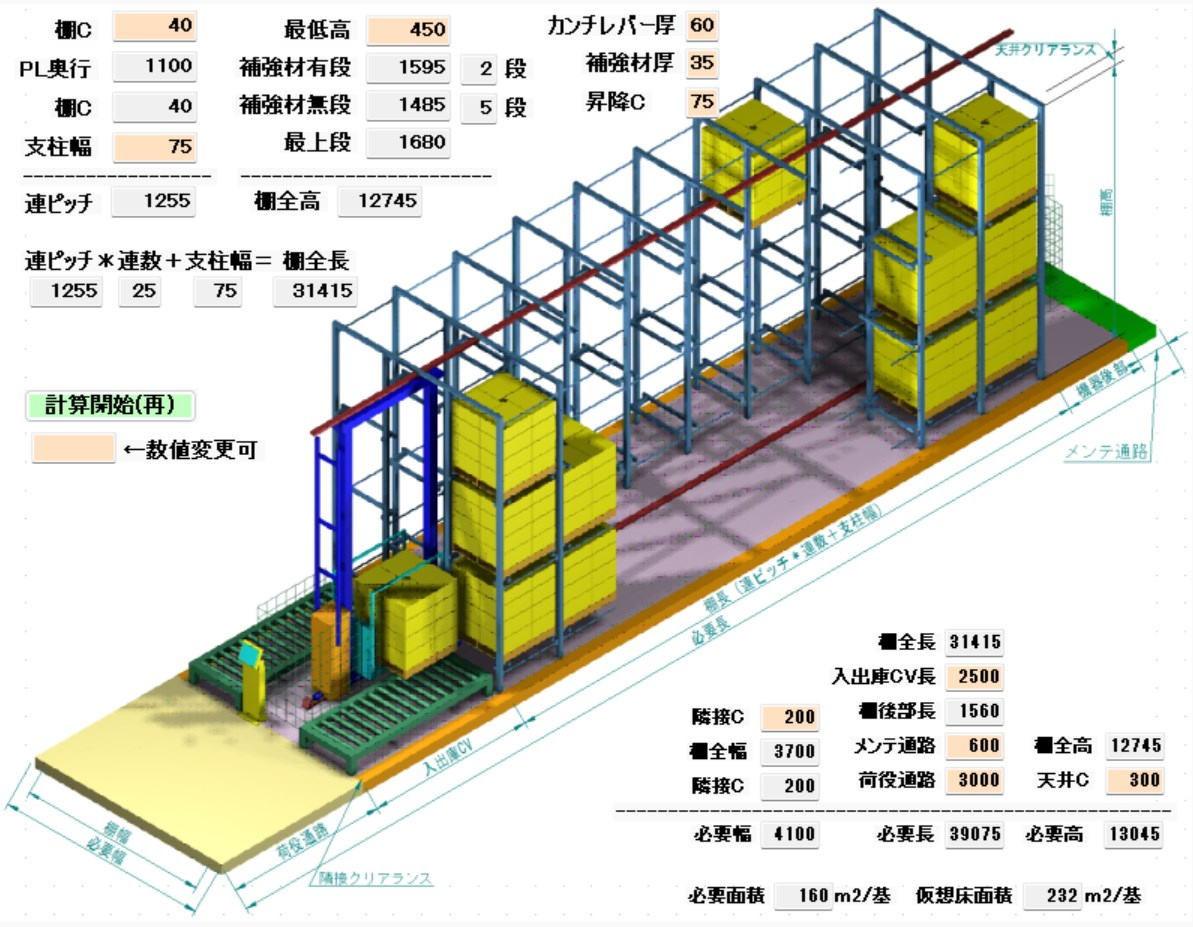
Unit-Load AS/RS (Automated Pallet Warehouse)
Handled Loads: Full pallet unit loads (heavy cartons, raw materials, finished goods)[cite: 21].
Features: Utilizes high-bay racking and stacker cranes to maximize vertical cubic storage density[cite: 21]. Ideal for long-term buffer storage and factory raw material staging[cite: 21].
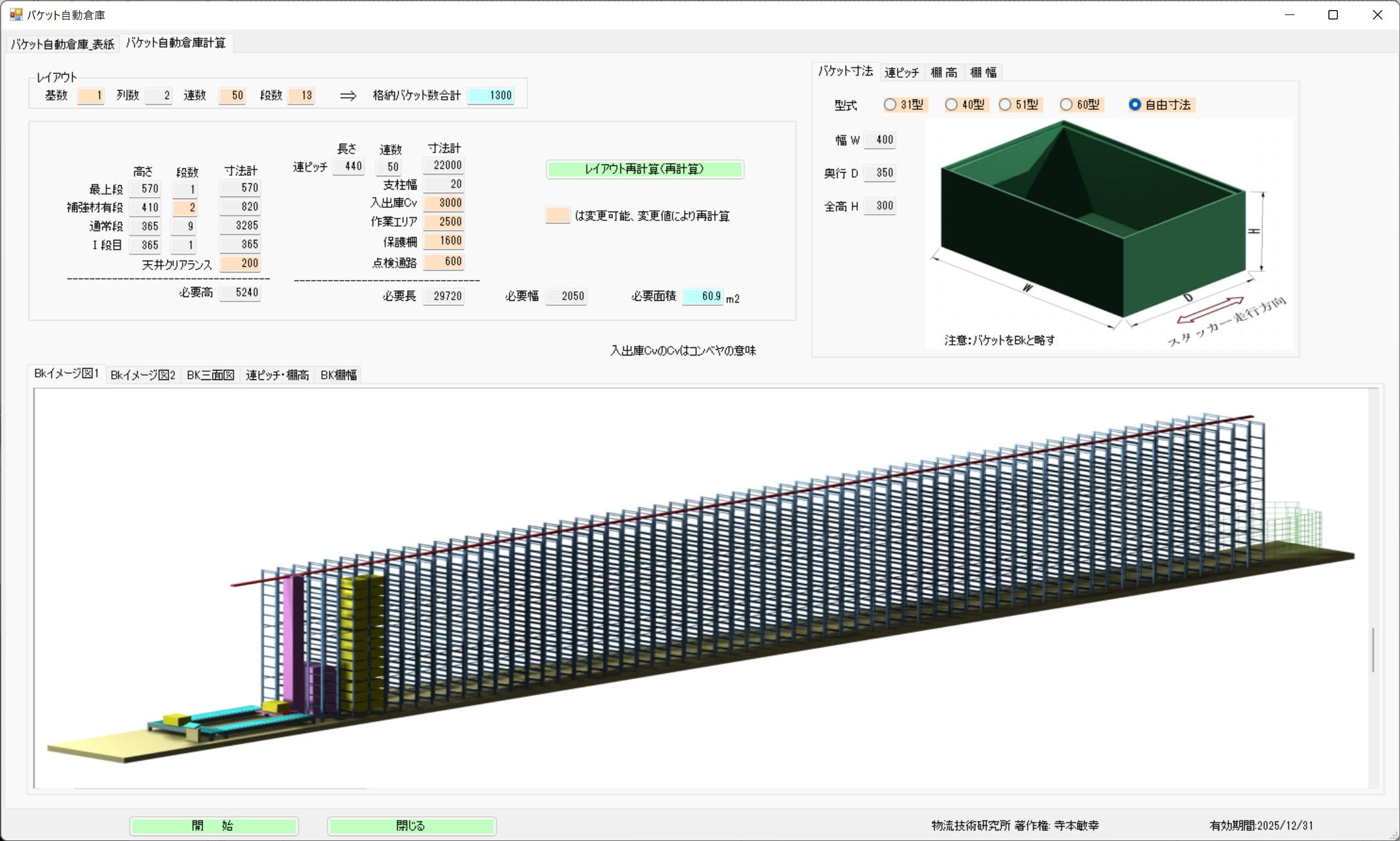
Mini-Load AS/RS (Case & Tote Storage)
Handled Loads: Corrugated cartons, plastic totes, reusable containers[cite: 21].
Features: Automates case-level storage and picking[cite: 21]. Ideal for e-commerce fulfillment backrooms and spare parts centers requiring high-speed medium-volume processing[cite: 21].
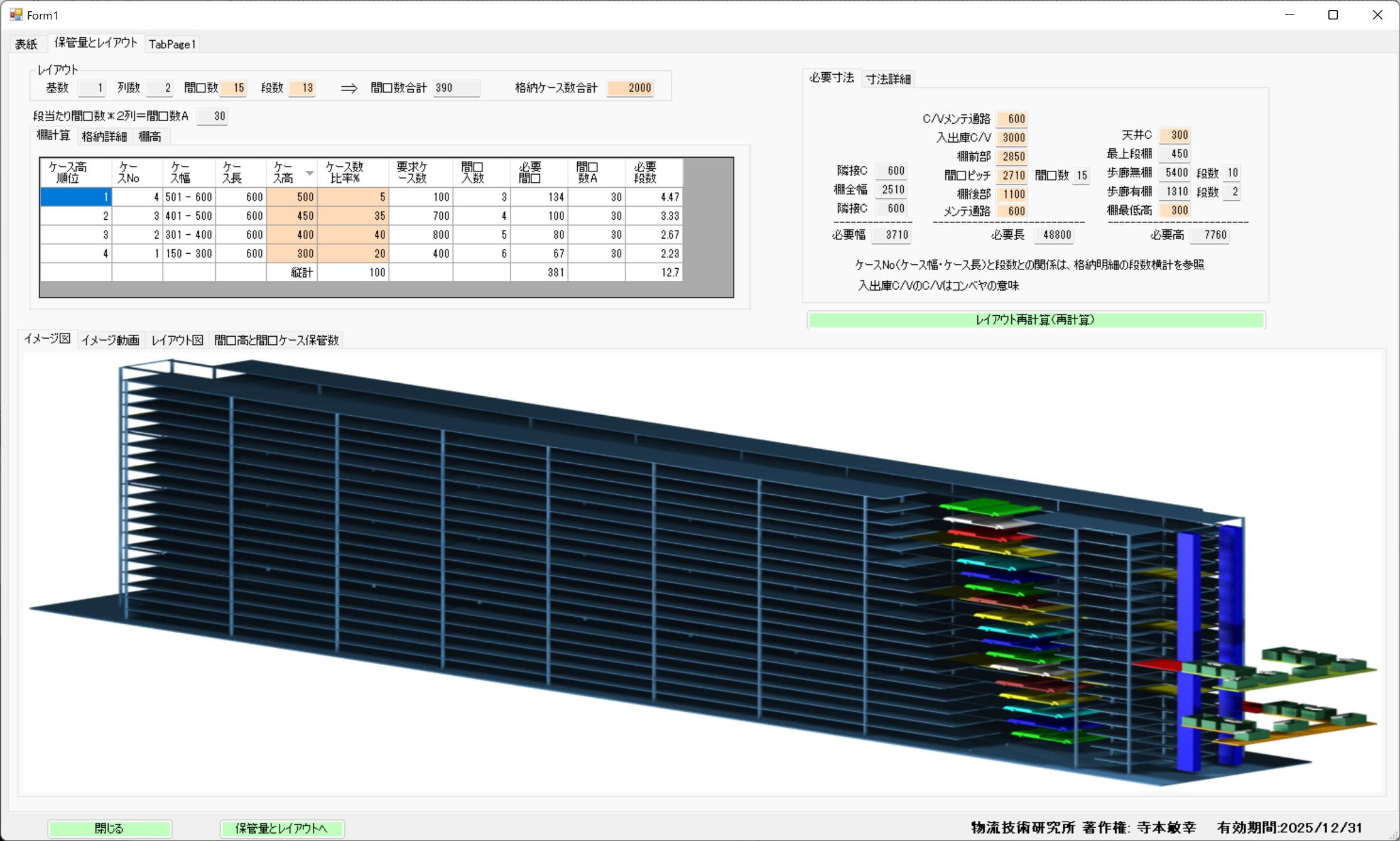
Shuttle & Robotic AS/RS (Goods-to-Person / GTP Systems)
Handled Loads: High-SKU small-piece goods, plastic totes, individual cartons[cite: 21].
Features: High-speed autonomous shuttles or mobile robots retrieve specialized totes and present them directly to workstation operators (GTP)[cite: 21]. Delivers exceptional throughput for e-commerce piece picking[cite: 21].
4. System Throughput Performance Trends & Selection Criteria
AS/RS throughput performance is rated by hourly storage/retrieval cycles (Cycles / Hour)[cite: 21].
-
Throughput Speed Hierarchy Comparison
Robotic / Shuttle Systems > Mini-Load AS/RS > Unit-Load Pallet AS/RS[cite: 21]
Multi-shuttle and robotic systems operating in parallel provide simultaneous multi-access capability, achieving extreme throughput for small-piece orders[cite: 21]. Unit-load pallet AS/RS handles heavier payloads per cycle, but crane travel speeds limit hourly cycle counts[cite: 21].
-
Engineering Around Peak-Hour Capacity & Human Interfaces
Total system throughput depends not only on AS/RS crane speed, but also on feeding conveyor capacity and human operator picking speeds at Goods-to-Person workstations (man-machine interface)[cite: 21].
5. Manufacturer AS/RS Throughput Performance Benchmarks
① Unit-Load Pallet AS/RS
- Throughput Benchmark: ~15 to 30 Cycles / Hour (Per Crane)[cite: 21]
- Max Payload Weight: 1,000 kg – 2,000 kg / Pallet[cite: 21]
-
Features & Applications:
High-bay rack cranes prioritizing vertical space yield and safe heavy handling over high cycle speeds[cite: 21]. Twin-fork or high-speed models increase cycle rates up to 1.5–2x[cite: 21].
② Mini-Load Case/Tote AS/RS
- Throughput Benchmark: ~60 to 120 Cycles / Hour (Per Crane)[cite: 21]
- Max Payload Weight: 30 kg – 100 kg / Case or Tote[cite: 21]
-
Features & Applications:
High-density automated storage for cartons and totes[cite: 21]. Lightweight crane mechanisms deliver 3–4x higher cycle speeds compared to pallet AS/RS[cite: 21].
③ Shuttle & Goods-to-Person (GTP) Systems
-
Throughput Benchmark:
• Shuttle Matrix Fleet: ~300 to 1,000 Cases (Lines) / Hour (System-wide)[cite: 21]
• GTP Workstation Productivity: ~400 to 1,000 Lines / Hour (Per Operator)[cite: 21]
- Max Payload Weight: 20 kg – 50 kg / Tote[cite: 21]
-
Features & Applications:
Autonomous high-speed aisle shuttles retrieve totes and present them to picking workstations[cite: 21]. Outperforms traditional cranes for e-commerce piece picking[cite: 21].
6. Single-Cycle vs. Double-Cycle Throughput Evaluation
1. Understanding Single-Cycle vs. Double-Cycle Rating Definitions
AS/RS cycle performance is calculated across two distinct operational movement patterns[cite: 21]:
① Single-Cycle Operation
- Movement: A single round trip executing "Putaway Only" OR "Retrieval Only"[cite: 21].
(Example: Crane travels empty to a rack location, retrieves a pallet, and returns to the home dock)[cite: 21]. - 1 Cycle Definition: "1 Load Unit Movement (1 Pallet In OR 1 Out)"[cite: 21]
② Double-Cycle (Combined) Operation
- Movement: A combined round trip executing putaway and retrieval in a single run[cite: 21].
(Example: Crane carries an inbound pallet to Slot A, travels empty to Slot B, picks up an outbound pallet, and returns to the dock)[cite: 21]. - 1 Cycle Definition: "2 Load Unit Movements (1 Inbound + 1 Outbound)"[cite: 21]
Interpreting "15 to 30 Cycles / Hour" Specifications
For Unit-Load Pallet AS/RS, crane travel time varies by rack length and height, but translates as follows[cite: 21]:
- Single-Cycle Operation: Processes 15 to 30 Pallets / Hour (Putaway ONLY or Retrieval ONLY)[cite: 21].
- Double-Cycle Operation: Processes 30 to 60 Pallets / Hour (15–30 Inbound + 15–30 Outbound)[cite: 21].
⚠️ RFP & Specification Checklist Warning
Manufacturer catalog ratings stating "Capacity: XX Cycles/Hour" frequently cite maximum double-cycle figures under ideal conditions[cite: 21].
When selecting equipment, always verify with manufacturers whether published ratings represent Single-Cycle (1 pallet movement) or Double-Cycle (2 pallet movements) performance[cite: 21].
2. Additional Practical Engineering Guidelines
-
Peak Volumetric Spikes vs. Rated Capacity
Even if an AS/RS exhibits a maximum rated capacity of 1,000 cases/hour, practical facility designs engineer operations at 70% to 80% of rated limits to accommodate human picking speeds and operational buffers[cite: 21].
-
Conveyor & Sorter Bottleneck Prevention
High crane speeds provide no benefit if outbound induction conveyors or downstream sorters stall[cite: 21]. System-wide capacity balancing is mandatory to prevent flow bottlenecks[cite: 21].